Buy chiaseed.com ?
We are moving the project
chiaseed.com .
Are you interested in purchasing the domain
chiaseed.com ?
domain@kv-gmbh.de · 0541-91531010
Buy chiaseed.com ?
Can you plant a cactus in potting soil?
Yes, you can plant a cactus in potting soil. However, it is important to use a well-draining potting mix specifically designed for cacti and succulents to prevent overwatering and root rot. It is also recommended to mix in some sand or perlite to improve drainage and aeration for the cactus roots. **
How can one plant cat grass in potting soil?
To plant cat grass in potting soil, start by filling a small pot with fresh potting soil, leaving about an inch of space at the top. Sprinkle cat grass seeds evenly over the soil surface, then lightly cover them with a thin layer of soil. Water the soil thoroughly and place the pot in a sunny location. Keep the soil consistently moist but not waterlogged, and within a week or so, you should start to see the grass sprouting. **

Similar search terms for Potting
Top-Angebote
Products related to Potting:

-
Which potting soil is suitable for my spider plant?
A well-draining potting soil mix is suitable for spider plants. Look for a mix that contains a combination of peat moss, perlite, and vermiculite to ensure good aeration and drainage for the plant's roots. Avoid heavy or compacted soils that can retain too much moisture and lead to root rot. Additionally, a slightly acidic soil with a pH of 6.0-6.8 is ideal for spider plants. **
-
What are those yellow plant spots in the potting soil?
The yellow spots in potting soil are likely caused by a fungus known as slime mold. Slime mold thrives in moist environments and feeds on decaying organic matter in the soil. While it is not harmful to plants, it can be unsightly. To prevent slime mold growth, ensure the soil is well-draining and allow the top layer to dry out between waterings. **
-
Hydroculture or potting soil?
The choice between hydroculture and potting soil depends on personal preference and the specific needs of the plant. Hydroculture involves growing plants in water with added nutrients, which can be a more controlled environment for some plants and can reduce the risk of overwatering. On the other hand, potting soil provides a more traditional growing medium with a mix of nutrients and organic matter that can be beneficial for a wide variety of plants. Ultimately, it is important to consider the specific requirements of the plant and the level of maintenance you are willing to provide when deciding between hydroculture and potting soil. **
-
Which potting soil for monstera?
A good potting soil for monstera plants is a well-draining mix that is rich in organic matter. A common mix for monstera plants includes a combination of peat moss, perlite, and pine bark. This type of soil allows for proper drainage while also retaining enough moisture for the plant's roots. It is important to avoid heavy soils that can lead to waterlogged conditions, as this can cause root rot in monstera plants. **
Why does potting soil mold?
Potting soil can mold due to excessive moisture levels, lack of proper drainage, or poor air circulation. When the soil remains consistently wet, it creates a favorable environment for mold spores to grow and thrive. Additionally, organic matter present in the soil can also contribute to mold growth if not properly broken down. To prevent mold in potting soil, it is important to ensure proper watering practices, use well-draining soil mixes, and provide adequate ventilation for the plants. **
Can cats eat potting soil?
Cats should not eat potting soil as it can be harmful to their health. Potting soil may contain fertilizers, pesticides, or other chemicals that are toxic to cats if ingested. Ingesting potting soil can also cause gastrointestinal issues such as vomiting or diarrhea. It is important to keep potting soil out of reach of cats to prevent them from eating it. **
Top-Angebote
Products related to Potting:
-
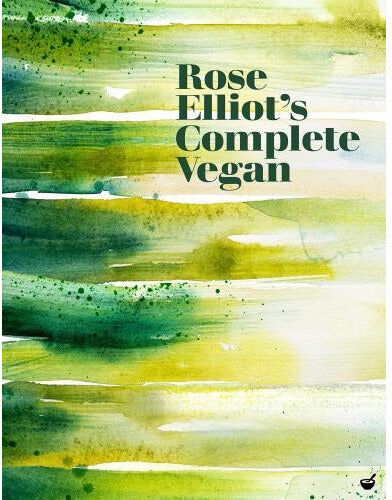
Nourish Books Rose Elliot Complete Vegan Cookbook – Plant-Based Diet Recipes & Health Benefits Guide Healthy Vegan Cooking & Nutrition BookRose Elliot's Complete Vegan Description The ultimate bible of plant-based eating; by renowned vegan cook Rose Elliot. With an increasing awareness of the ethical; environmental and health benefits of following a plant-based diet; the vegan movement is now stronger than ever. Rose Elliot has been at the forefront of meat-free foodwriting for over 35 years; and here offers readers a masterclass in vegan cookery. The book includes more than 150 recipes; from basics such as nut milks; butters; cheeses and creams; to recipes for breakfasts; light bites and lunches; labour-light midweek mains; spectacular dishes for entertaining; delicious desserts and tempting baked goods. The recipes range from comforting dishes like Macaroni Cheese to more exotic fare; such as a fragrant Aubergine Pilaff Cake. Proving that following a vegan diet doesn't mean missing out on your favourite foods; the book also shows how to whip up a creamy mayo; classic Yorkshire pudding or wonderfully crisp meringue at home; all without using any animal products. Packed with beautiful photography; and mouthwatering recipes; Rose Elliot's Complete Vegan is the ultimate resource for any vegan cook no matter their level of experience or expertise.5,88 £*Shipping: 2,99 £Secure redirect to the provider
-
Can you plant a cactus in potting soil?
Yes, you can plant a cactus in potting soil. However, it is important to use a well-draining potting mix specifically designed for cacti and succulents to prevent overwatering and root rot. It is also recommended to mix in some sand or perlite to improve drainage and aeration for the cactus roots. **
-
How can one plant cat grass in potting soil?
To plant cat grass in potting soil, start by filling a small pot with fresh potting soil, leaving about an inch of space at the top. Sprinkle cat grass seeds evenly over the soil surface, then lightly cover them with a thin layer of soil. Water the soil thoroughly and place the pot in a sunny location. Keep the soil consistently moist but not waterlogged, and within a week or so, you should start to see the grass sprouting. **
-
Which potting soil is suitable for my spider plant?
A well-draining potting soil mix is suitable for spider plants. Look for a mix that contains a combination of peat moss, perlite, and vermiculite to ensure good aeration and drainage for the plant's roots. Avoid heavy or compacted soils that can retain too much moisture and lead to root rot. Additionally, a slightly acidic soil with a pH of 6.0-6.8 is ideal for spider plants. **
-
What are those yellow plant spots in the potting soil?
The yellow spots in potting soil are likely caused by a fungus known as slime mold. Slime mold thrives in moist environments and feeds on decaying organic matter in the soil. While it is not harmful to plants, it can be unsightly. To prevent slime mold growth, ensure the soil is well-draining and allow the top layer to dry out between waterings. **
Similar search terms for Potting
-
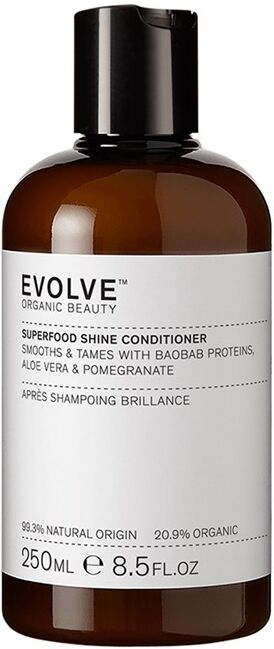
Evolve Beauty Evolve Organic Beauty Superfood Shine Conditioner 250mlRevitalise your hair care routine with the Evolve Organic Beauty Superfood Shine Conditioner 250ml. Specially formulated for normal to dry hair, this luxurious conditioner harnesses the power of natural and organic ingredients to replenish brilliant shine, significantly reduce frizz, and boost irresistible softness. Its lightweight yet deeply nourishing formula ensures your locks remain healthy, smooth, and entirely tangle-free.At the heart of this high-performance conditioner are natural baobab proteins, which have been scientifically shown to strengthen and protect hair while boosting overall smoothness. Complemented by organic pomegranate extract, it works to intensely rehydrate and defend your hair against environmental stressors. Additionally, organic aloe vera gently soothes the scalp, providing a calming and refreshing experience with every wash.Perfect for anyone seeking clean, conscious beauty that delivers professional results, this superfood-infused conditioner leaves hair feeling revitalised, manageable, and radiantly glossy. Elevate your daily routine and unlock the secret to naturally beautiful, frizz-free hair with this essential organic treatment.Key BenefitsReplenishes shine, reduces frizz, and boosts softness for smooth, tangle-free, and healthy hair - Strengthens and protects hair while boosting smoothness using nutrient-rich baobab proteins - Rehydrates the hair and soothes the scalp with organic pomegranate extract and aloe veraIngredients:Aqua (Water), Cetearyl Alcohol, Coco-Caprylate, Distearoylethyl Dimonium Chloride, Gluconolactone, Parfum (Naturally Derived Fragrance), Hydrolyzed Adansonia Digitata (Baobab) Seed Extract, Punica Granatum (Pomegranate) Fruit Extract*, Aloe Barbadensis Leaf Juice Powder*, Helianthus Annuus (Sunflower) Seed Oil, Glycerin**, Polyglyceryl-6 Stearate, Sodium Benzoate, Polyglyceryl-6 Behenate, Tocopherol, Calcium Gluconate, Benzyl Alcohol, Potassium Sorbate, Citric Acid, Citral, Geraniol, Limonene, Linalool16,00 £*Shipping: 2,95 £Secure redirect to the provider
-
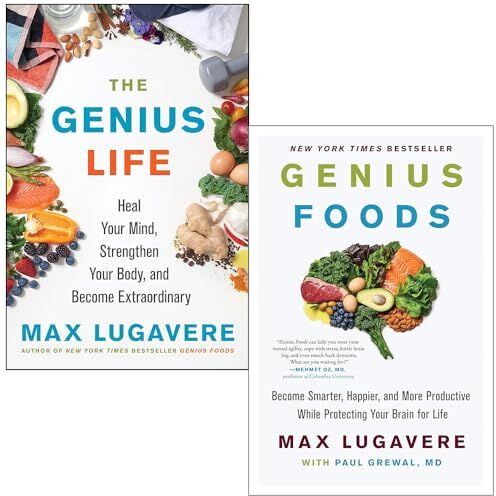
Harper ltd Max Lugavere 2 Book Set – Genius Foods & The Genius Life Brain Health, Nutrition & Wellness CollectionMax Lugavere 2-Book Collection Set (The Genius Life & Genius Foods – Nutrition, Health, Wellness, Diet, Brain & Body Health, Self-Help & Fitness) The Genius Life: Heal Your Mind, Strengthen Your Body, and Become Extraordinary: Supporting the work of Battersea Dogs and Cats Home.Enjoy a heartwarming dog to brighten every single day of the year. From Pickles, the dog who single-handedly saved the 1966 world cup, to Pal, who found silver screen fame as the original Lassie, Battersea's A Dog a Day contains 365 fascinating stories of dogs to enjoy throughout the year.Beautifully packaged and illustrated throughout with charming illustrations of cheeky puppies and hounds, this is the perfect book for any lover of our four-legged friends. Genius Foods: Become Smarter, Happier, and More Productive While Protecting Your Brain for Life: After his mother was diagnosed with a mysterious form of dementia, Max Lugavere put his successful media career on hold to learn everything he could about brain health and performance. For the better half of a decade, he consumed the most up-to-date scientific research, talked to dozens of leading scientists and clinicians around the world, and visited the country’s best neurology departments—all in the hopes of understanding his mother’s condition.Now, in Genius Foods, Lugavere presents a comprehensive guide to brain optimization. He uncovers the stunning link between our dietary and lifestyle choices and our brain functions, revealing how the foods you eat directly affect your ability to focus, learn, remember, create, analyze new ideas, and maintain a balanced mood.12,95 £*Shipping: 2,99 £Secure redirect to the provider
-
Hydroculture or potting soil?
The choice between hydroculture and potting soil depends on personal preference and the specific needs of the plant. Hydroculture involves growing plants in water with added nutrients, which can be a more controlled environment for some plants and can reduce the risk of overwatering. On the other hand, potting soil provides a more traditional growing medium with a mix of nutrients and organic matter that can be beneficial for a wide variety of plants. Ultimately, it is important to consider the specific requirements of the plant and the level of maintenance you are willing to provide when deciding between hydroculture and potting soil. **
-
Which potting soil for monstera?
A good potting soil for monstera plants is a well-draining mix that is rich in organic matter. A common mix for monstera plants includes a combination of peat moss, perlite, and pine bark. This type of soil allows for proper drainage while also retaining enough moisture for the plant's roots. It is important to avoid heavy soils that can lead to waterlogged conditions, as this can cause root rot in monstera plants. **
-
Why does potting soil mold?
Potting soil can mold due to excessive moisture levels, lack of proper drainage, or poor air circulation. When the soil remains consistently wet, it creates a favorable environment for mold spores to grow and thrive. Additionally, organic matter present in the soil can also contribute to mold growth if not properly broken down. To prevent mold in potting soil, it is important to ensure proper watering practices, use well-draining soil mixes, and provide adequate ventilation for the plants. **
-
Can cats eat potting soil?
Cats should not eat potting soil as it can be harmful to their health. Potting soil may contain fertilizers, pesticides, or other chemicals that are toxic to cats if ingested. Ingesting potting soil can also cause gastrointestinal issues such as vomiting or diarrhea. It is important to keep potting soil out of reach of cats to prevent them from eating it. **
* All prices are inclusive of VAT and, if applicable, plus shipping costs. The offer information is based on the details provided by the respective shop and is updated through automated processes. Real-time updates do not occur, so deviations can occur in individual cases. ** Note: Parts of this content were created by AI.