Buy chiaseed.com ?
We are moving the project
chiaseed.com .
Are you interested in purchasing the domain
chiaseed.com ?
domain@kv-gmbh.de · 0541-91531010
Buy chiaseed.com ?
What is the deontological perspective?
The deontological perspective is an ethical theory that focuses on the inherent rightness or wrongness of actions themselves, rather than the consequences of those actions. It is based on the idea that certain actions are morally obligatory regardless of their outcomes. Deontologists believe that individuals have a duty to follow certain moral rules or principles, such as honesty or respecting others' autonomy, regardless of the potential benefits or harms that may result. This perspective is often associated with philosophers like Immanuel Kant, who argued that moral principles are universal and apply to all rational beings. **
What is meant by deontological and teleological?
Deontological ethics is an ethical theory that focuses on the inherent rightness or wrongness of actions themselves, rather than the consequences of those actions. It emphasizes the importance of following moral rules and duties, regardless of the outcomes. On the other hand, teleological ethics, also known as consequentialism, is an ethical theory that evaluates the morality of actions based on their outcomes or consequences. It emphasizes the idea that the rightness or wrongness of an action is determined by the overall good or bad results it produces. In summary, deontological ethics focuses on the inherent nature of actions, while teleological ethics focuses on the outcomes of actions. **

Similar search terms for Deontological
Top-Angebote
Products related to Deontological:
-
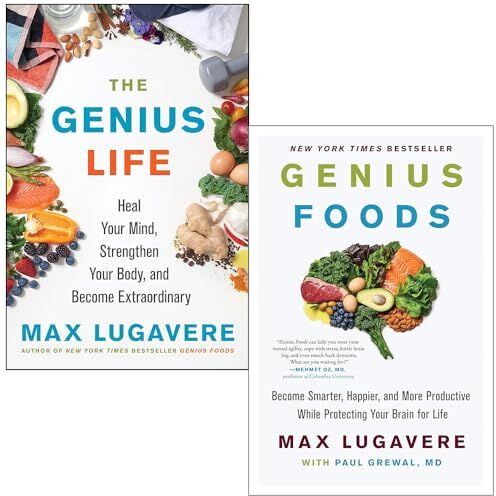
Harper ltd Max Lugavere 2 Book Set – Genius Foods & The Genius Life Brain Health, Nutrition & Wellness CollectionMax Lugavere 2-Book Collection Set (The Genius Life & Genius Foods – Nutrition, Health, Wellness, Diet, Brain & Body Health, Self-Help & Fitness) The Genius Life: Heal Your Mind, Strengthen Your Body, and Become Extraordinary: Supporting the work of Battersea Dogs and Cats Home.Enjoy a heartwarming dog to brighten every single day of the year. From Pickles, the dog who single-handedly saved the 1966 world cup, to Pal, who found silver screen fame as the original Lassie, Battersea's A Dog a Day contains 365 fascinating stories of dogs to enjoy throughout the year.Beautifully packaged and illustrated throughout with charming illustrations of cheeky puppies and hounds, this is the perfect book for any lover of our four-legged friends. Genius Foods: Become Smarter, Happier, and More Productive While Protecting Your Brain for Life: After his mother was diagnosed with a mysterious form of dementia, Max Lugavere put his successful media career on hold to learn everything he could about brain health and performance. For the better half of a decade, he consumed the most up-to-date scientific research, talked to dozens of leading scientists and clinicians around the world, and visited the country’s best neurology departments—all in the hopes of understanding his mother’s condition.Now, in Genius Foods, Lugavere presents a comprehensive guide to brain optimization. He uncovers the stunning link between our dietary and lifestyle choices and our brain functions, revealing how the foods you eat directly affect your ability to focus, learn, remember, create, analyze new ideas, and maintain a balanced mood.12,95 £*Shipping: 2,99 £Secure redirect to the provider
-
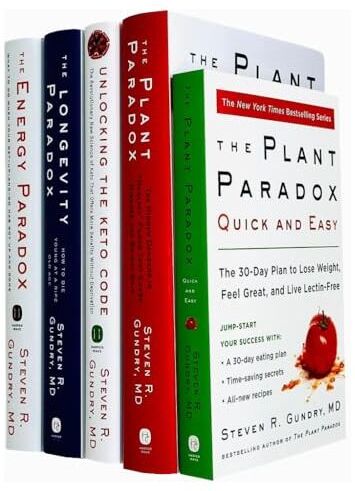
Harper ltd Dr Steven R Gundry 5 Books Collection Set – Plant Paradox, Diet & Gut Health Nutrition CollectionDr. Steven R Gundry MD 5 Books Collection Set (The Plant Paradox, The Longevity Paradox, The Energy Paradox, Unlocking The Keto Code & [Paperback] The Plant Paradox Quick and Easy): The Plant Paradox Quick and Easy[Paperback]: The Plant Paradox, readers learned the surprising truth about foods that have long been regarded as healthy. Lectins—a type of protein found in fruits, vegetables, legumes, dairy, and grains—wreak havoc on the gut, creating systemic inflammation and laying the groundwork for disease and weight gain. The Plant Paradox: In The Plant Paradox, renowned cardiologist Dr. Steven Gundry reveals that gluten is just one variety of a common, and highly toxic, plant-based protein called lectin. Lectins are found not only in grains like wheat but also in the “gluten-free” foods. The Longevity Paradox: Dr. Gundry has discovered that the “diseases of aging” we most fear are not simply a function of age; rather, they are a byproduct of the way we have lived over the decades. In The Longevity Paradox, he maps out a new approach to aging well—one that is based on supporting the health of the “oldest” parts of us: the microorganisms that live within our bodies. The Energy Paradox: Dr. Gundry expands upon his previous discussions of gut, microbiome, and mitochondrial health, linking immune malfunction to the mental and physical symptoms of fatigue—including exhaustion, brain fog, depression, anxiety, and low metabolism. Unlocking the Keto Code: In Unlocking the Keto Code, Dr. Gundry reveals the biological mechanism that makes keto diets so successful: a cellular process known as “mitochondrial uncoupling.” As it turns out, ketones are not the magical fuel source they’ve been made out to be.22,45 £*Shipping: 2,99 £Secure redirect to the provider
-
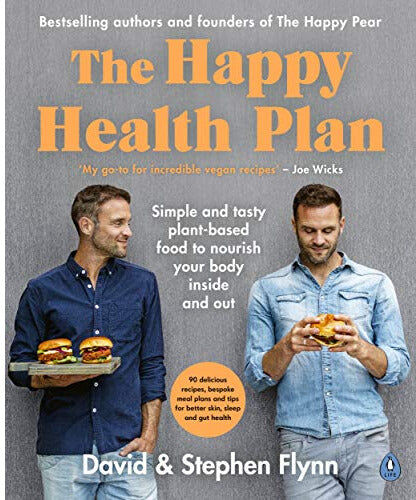
Penguin The Happy Health Plan: Simple and tasty plant-based food to nourish your body inside and outFrom the Sunday Times bestselling authors, The Happy Pear'My go-to for incredible vegan recipes' Joe Wicks'Awesome plans that show how plant-based food can transform your health' BOSH! _____________________________________________________________________________________Want to improve your health, lose weight or gain more energy? A plant-based diet might be the answer you're looking for. The Happy Health Plan brings you 90 brand new, mouth-watering recipes and four bespoke meals straight from the Happy Pear kitchen. The recipes have been specially designed with medical experts to look after your heart, give you glowing skin, calm your gut and help you lose weight, without counting a single calorie. Cooking with more plants means that every meal is full of fibre, high in vitamins and low in saturated fat, which means they boost your energy, reduce cholesterol and keep you fuller for longer. Including lots of classic dishes, from a creamy carbonara to a katsu curry, a fluffy pancake stack and even a berry crumble, this book will help you to look after your whole body health, inside and out, with tastier food than ever before.14,99 £*Shipping: 2,99 £Secure redirect to the provider

-
Does Kant's deontological ethics contradict Aristotle's eudaemonistic ethics?
Kant's deontological ethics and Aristotle's eudaemonistic ethics have some fundamental differences, but they do not necessarily contradict each other. Kant's ethics focus on duty and the intention behind actions, while Aristotle's ethics emphasize achieving eudaimonia, or human flourishing, through virtuous actions. While Kant's emphasis on duty can sometimes conflict with Aristotle's emphasis on virtue, both ethical theories ultimately aim to guide individuals towards leading a good and moral life. Therefore, while they may approach ethics from different perspectives, they can be seen as complementary rather than contradictory. **
-
What is the difference between deontological ethics and utilitarianism?
Deontological ethics is an ethical theory that focuses on the inherent rightness or wrongness of actions themselves, regardless of their consequences. It emphasizes the importance of following moral rules and duties, such as telling the truth or keeping promises, regardless of the outcomes. On the other hand, utilitarianism is a consequentialist ethical theory that evaluates the morality of actions based on their outcomes. It prioritizes maximizing overall happiness or well-being for the greatest number of people, often through the calculation of benefits and harms. In summary, deontological ethics emphasizes the inherent morality of actions, while utilitarianism focuses on the consequences of actions. **
-
Does discourse ethics have a teleological or deontological approach?
Discourse ethics is primarily associated with a deontological approach. It focuses on the principles of communication and interaction between individuals, emphasizing the importance of ethical norms and rules in guiding discourse. The goal is to ensure that communication is based on mutual respect, equality, and rationality, rather than aiming towards a specific outcome or goal. By prioritizing the ethical principles of communication, discourse ethics aims to create a fair and just dialogue among participants. **
-
Is deontological ethics exactly the same as the categorical imperative?
Deontological ethics is a broader ethical theory that states that actions are inherently right or wrong, regardless of their consequences. The categorical imperative, on the other hand, is a specific formulation within deontological ethics proposed by Immanuel Kant. While the categorical imperative is a key component of deontological ethics, deontological ethics encompasses a wider range of principles and theories beyond just the categorical imperative. **

What are the differences between deontological ethics and utilitarian ethics?
Deontological ethics, also known as duty-based ethics, focuses on the inherent rightness or wrongness of actions themselves, regardless of their consequences. It emphasizes following moral rules and duties, such as telling the truth or keeping promises, based on principles like the categorical imperative. On the other hand, utilitarian ethics, also known as consequentialist ethics, prioritizes the outcomes or consequences of actions. It aims to maximize overall happiness or well-being for the greatest number of people, often through the calculation of benefits and harms. While deontological ethics emphasizes duty and rules, utilitarian ethics prioritizes the greatest good for the greatest number. **
What is the difference between deontological ethics and utilitarian ethics?
Deontological ethics, also known as duty-based ethics, focuses on the inherent rightness or wrongness of actions themselves, regardless of their consequences. This means that certain actions are considered morally right or wrong based on whether they adhere to a set of rules or principles. On the other hand, utilitarian ethics, also known as consequentialist ethics, evaluates the morality of actions based on their outcomes or consequences. In utilitarianism, the rightness or wrongness of an action is determined by its ability to produce the greatest overall happiness or pleasure for the greatest number of people. **
Top-Angebote
Products related to Deontological:
-
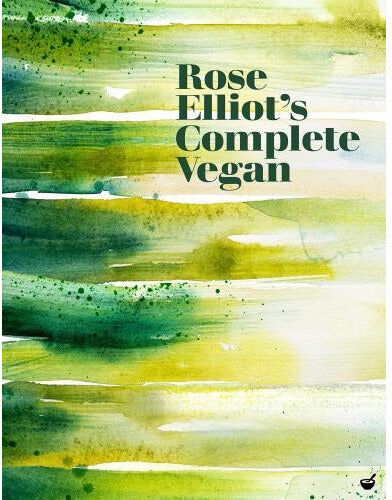
Nourish Books Rose Elliot Complete Vegan Cookbook – Plant-Based Diet Recipes & Health Benefits Guide Healthy Vegan Cooking & Nutrition BookRose Elliot's Complete Vegan Description The ultimate bible of plant-based eating; by renowned vegan cook Rose Elliot. With an increasing awareness of the ethical; environmental and health benefits of following a plant-based diet; the vegan movement is now stronger than ever. Rose Elliot has been at the forefront of meat-free foodwriting for over 35 years; and here offers readers a masterclass in vegan cookery. The book includes more than 150 recipes; from basics such as nut milks; butters; cheeses and creams; to recipes for breakfasts; light bites and lunches; labour-light midweek mains; spectacular dishes for entertaining; delicious desserts and tempting baked goods. The recipes range from comforting dishes like Macaroni Cheese to more exotic fare; such as a fragrant Aubergine Pilaff Cake. Proving that following a vegan diet doesn't mean missing out on your favourite foods; the book also shows how to whip up a creamy mayo; classic Yorkshire pudding or wonderfully crisp meringue at home; all without using any animal products. Packed with beautiful photography; and mouthwatering recipes; Rose Elliot's Complete Vegan is the ultimate resource for any vegan cook no matter their level of experience or expertise.5,88 £*Shipping: 2,99 £Secure redirect to the provider
-
Evolve Beauty Evolve Organic Beauty Superfood Shine Conditioner 250mlRevitalise your hair care routine with the Evolve Organic Beauty Superfood Shine Conditioner 250ml. Specially formulated for normal to dry hair, this luxurious conditioner harnesses the power of natural and organic ingredients to replenish brilliant shine, significantly reduce frizz, and boost irresistible softness. Its lightweight yet deeply nourishing formula ensures your locks remain healthy, smooth, and entirely tangle-free.At the heart of this high-performance conditioner are natural baobab proteins, which have been scientifically shown to strengthen and protect hair while boosting overall smoothness. Complemented by organic pomegranate extract, it works to intensely rehydrate and defend your hair against environmental stressors. Additionally, organic aloe vera gently soothes the scalp, providing a calming and refreshing experience with every wash.Perfect for anyone seeking clean, conscious beauty that delivers professional results, this superfood-infused conditioner leaves hair feeling revitalised, manageable, and radiantly glossy. Elevate your daily routine and unlock the secret to naturally beautiful, frizz-free hair with this essential organic treatment.Key BenefitsReplenishes shine, reduces frizz, and boosts softness for smooth, tangle-free, and healthy hair - Strengthens and protects hair while boosting smoothness using nutrient-rich baobab proteins - Rehydrates the hair and soothes the scalp with organic pomegranate extract and aloe veraIngredients:Aqua (Water), Cetearyl Alcohol, Coco-Caprylate, Distearoylethyl Dimonium Chloride, Gluconolactone, Parfum (Naturally Derived Fragrance), Hydrolyzed Adansonia Digitata (Baobab) Seed Extract, Punica Granatum (Pomegranate) Fruit Extract*, Aloe Barbadensis Leaf Juice Powder*, Helianthus Annuus (Sunflower) Seed Oil, Glycerin**, Polyglyceryl-6 Stearate, Sodium Benzoate, Polyglyceryl-6 Behenate, Tocopherol, Calcium Gluconate, Benzyl Alcohol, Potassium Sorbate, Citric Acid, Citral, Geraniol, Limonene, Linalool16,00 £*Shipping: 2,95 £Secure redirect to the provider
-
Harper ltd Max Lugavere 2 Book Set – Genius Foods & The Genius Life Brain Health, Nutrition & Wellness CollectionMax Lugavere 2-Book Collection Set (The Genius Life & Genius Foods – Nutrition, Health, Wellness, Diet, Brain & Body Health, Self-Help & Fitness) The Genius Life: Heal Your Mind, Strengthen Your Body, and Become Extraordinary: Supporting the work of Battersea Dogs and Cats Home.Enjoy a heartwarming dog to brighten every single day of the year. From Pickles, the dog who single-handedly saved the 1966 world cup, to Pal, who found silver screen fame as the original Lassie, Battersea's A Dog a Day contains 365 fascinating stories of dogs to enjoy throughout the year.Beautifully packaged and illustrated throughout with charming illustrations of cheeky puppies and hounds, this is the perfect book for any lover of our four-legged friends. Genius Foods: Become Smarter, Happier, and More Productive While Protecting Your Brain for Life: After his mother was diagnosed with a mysterious form of dementia, Max Lugavere put his successful media career on hold to learn everything he could about brain health and performance. For the better half of a decade, he consumed the most up-to-date scientific research, talked to dozens of leading scientists and clinicians around the world, and visited the country’s best neurology departments—all in the hopes of understanding his mother’s condition.Now, in Genius Foods, Lugavere presents a comprehensive guide to brain optimization. He uncovers the stunning link between our dietary and lifestyle choices and our brain functions, revealing how the foods you eat directly affect your ability to focus, learn, remember, create, analyze new ideas, and maintain a balanced mood.12,95 £*Shipping: 2,99 £Secure redirect to the provider
-
Harper ltd Dr Steven R Gundry 5 Books Collection Set – Plant Paradox, Diet & Gut Health Nutrition CollectionDr. Steven R Gundry MD 5 Books Collection Set (The Plant Paradox, The Longevity Paradox, The Energy Paradox, Unlocking The Keto Code & [Paperback] The Plant Paradox Quick and Easy): The Plant Paradox Quick and Easy[Paperback]: The Plant Paradox, readers learned the surprising truth about foods that have long been regarded as healthy. Lectins—a type of protein found in fruits, vegetables, legumes, dairy, and grains—wreak havoc on the gut, creating systemic inflammation and laying the groundwork for disease and weight gain. The Plant Paradox: In The Plant Paradox, renowned cardiologist Dr. Steven Gundry reveals that gluten is just one variety of a common, and highly toxic, plant-based protein called lectin. Lectins are found not only in grains like wheat but also in the “gluten-free” foods. The Longevity Paradox: Dr. Gundry has discovered that the “diseases of aging” we most fear are not simply a function of age; rather, they are a byproduct of the way we have lived over the decades. In The Longevity Paradox, he maps out a new approach to aging well—one that is based on supporting the health of the “oldest” parts of us: the microorganisms that live within our bodies. The Energy Paradox: Dr. Gundry expands upon his previous discussions of gut, microbiome, and mitochondrial health, linking immune malfunction to the mental and physical symptoms of fatigue—including exhaustion, brain fog, depression, anxiety, and low metabolism. Unlocking the Keto Code: In Unlocking the Keto Code, Dr. Gundry reveals the biological mechanism that makes keto diets so successful: a cellular process known as “mitochondrial uncoupling.” As it turns out, ketones are not the magical fuel source they’ve been made out to be.22,45 £*Shipping: 2,99 £Secure redirect to the provider
-
What is the deontological perspective?
The deontological perspective is an ethical theory that focuses on the inherent rightness or wrongness of actions themselves, rather than the consequences of those actions. It is based on the idea that certain actions are morally obligatory regardless of their outcomes. Deontologists believe that individuals have a duty to follow certain moral rules or principles, such as honesty or respecting others' autonomy, regardless of the potential benefits or harms that may result. This perspective is often associated with philosophers like Immanuel Kant, who argued that moral principles are universal and apply to all rational beings. **
-
What is meant by deontological and teleological?
Deontological ethics is an ethical theory that focuses on the inherent rightness or wrongness of actions themselves, rather than the consequences of those actions. It emphasizes the importance of following moral rules and duties, regardless of the outcomes. On the other hand, teleological ethics, also known as consequentialism, is an ethical theory that evaluates the morality of actions based on their outcomes or consequences. It emphasizes the idea that the rightness or wrongness of an action is determined by the overall good or bad results it produces. In summary, deontological ethics focuses on the inherent nature of actions, while teleological ethics focuses on the outcomes of actions. **
-
Does Kant's deontological ethics contradict Aristotle's eudaemonistic ethics?
Kant's deontological ethics and Aristotle's eudaemonistic ethics have some fundamental differences, but they do not necessarily contradict each other. Kant's ethics focus on duty and the intention behind actions, while Aristotle's ethics emphasize achieving eudaimonia, or human flourishing, through virtuous actions. While Kant's emphasis on duty can sometimes conflict with Aristotle's emphasis on virtue, both ethical theories ultimately aim to guide individuals towards leading a good and moral life. Therefore, while they may approach ethics from different perspectives, they can be seen as complementary rather than contradictory. **
-
What is the difference between deontological ethics and utilitarianism?
Deontological ethics is an ethical theory that focuses on the inherent rightness or wrongness of actions themselves, regardless of their consequences. It emphasizes the importance of following moral rules and duties, such as telling the truth or keeping promises, regardless of the outcomes. On the other hand, utilitarianism is a consequentialist ethical theory that evaluates the morality of actions based on their outcomes. It prioritizes maximizing overall happiness or well-being for the greatest number of people, often through the calculation of benefits and harms. In summary, deontological ethics emphasizes the inherent morality of actions, while utilitarianism focuses on the consequences of actions. **
Similar search terms for Deontological
-
Penguin The Happy Health Plan: Simple and tasty plant-based food to nourish your body inside and outFrom the Sunday Times bestselling authors, The Happy Pear'My go-to for incredible vegan recipes' Joe Wicks'Awesome plans that show how plant-based food can transform your health' BOSH! _____________________________________________________________________________________Want to improve your health, lose weight or gain more energy? A plant-based diet might be the answer you're looking for. The Happy Health Plan brings you 90 brand new, mouth-watering recipes and four bespoke meals straight from the Happy Pear kitchen. The recipes have been specially designed with medical experts to look after your heart, give you glowing skin, calm your gut and help you lose weight, without counting a single calorie. Cooking with more plants means that every meal is full of fibre, high in vitamins and low in saturated fat, which means they boost your energy, reduce cholesterol and keep you fuller for longer. Including lots of classic dishes, from a creamy carbonara to a katsu curry, a fluffy pancake stack and even a berry crumble, this book will help you to look after your whole body health, inside and out, with tastier food than ever before.14,99 £*Shipping: 2,99 £Secure redirect to the provider
-
Uplift Essentials Plant Based Cuticle Nutrient Oil greenRestore the natural vitality of your hands with a highcapacity treatment designed for deep cellular repair. This 75ml cuticle nutrient oil is a professionalgrade solution formulated to nourish and repair damaged nails and surrounding skin. Infused...59,97 $*Shipping: 0,00 $Secure redirect to the provider
-
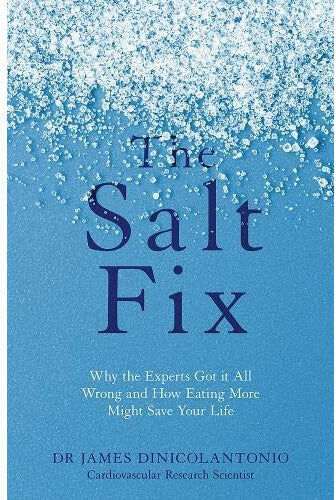
Platkus Books/Little Brown The Salt Fix Book by Dr. James Dinicolantonio, Health & Nutrition Guide, Why Experts Got It Wrong & How Eating More Salt Can Benefit Your Wellness & LA leading cardiovascular research scientist upends the low-salt myth, proving that salt may be one solution to - rather than a cause of - the chronic disease crisis. We've all heard the recommendation: no more than a teaspoon of salt a day for a healthy heart. But there's one big problem with this: the majority of us don't need to watch our salt. For most, salt protects against a host of aliments, including internal starvation, insulin resistance, diabetes and heart disease - not to mention, it tastes great. Dr DiNicolantonio reveals the eye-opening story, a never-been-told, century-spanning drama of competing egos and interests, of how salt became unfairly demonised. (The real culprit? Another white crystal - sugar). Sure to change the conversation about this historically treasured substance, The Salt Fix elegantly weaves research into a fascinating new understanding of salt's essential role in your health and what happens when you aren't getting enough. Dr DiNicolantonio shows how eating the right amount of this essential mineral will help you beat sugar cravings, achieve weight loss, improve athletic performance, increase fertility and thrive with a healthy heart. Finally, he offers a transformative six-step programme for re-calibrating your innate salt thermostat so that you can simply listen to your cravings to achieve your ideal salt intake.2,24 £*Shipping: 1,99 £Secure redirect to the provider
-
Does discourse ethics have a teleological or deontological approach?
Discourse ethics is primarily associated with a deontological approach. It focuses on the principles of communication and interaction between individuals, emphasizing the importance of ethical norms and rules in guiding discourse. The goal is to ensure that communication is based on mutual respect, equality, and rationality, rather than aiming towards a specific outcome or goal. By prioritizing the ethical principles of communication, discourse ethics aims to create a fair and just dialogue among participants. **
-
Is deontological ethics exactly the same as the categorical imperative?
Deontological ethics is a broader ethical theory that states that actions are inherently right or wrong, regardless of their consequences. The categorical imperative, on the other hand, is a specific formulation within deontological ethics proposed by Immanuel Kant. While the categorical imperative is a key component of deontological ethics, deontological ethics encompasses a wider range of principles and theories beyond just the categorical imperative. **
-
What are the differences between deontological ethics and utilitarian ethics?
Deontological ethics, also known as duty-based ethics, focuses on the inherent rightness or wrongness of actions themselves, regardless of their consequences. It emphasizes following moral rules and duties, such as telling the truth or keeping promises, based on principles like the categorical imperative. On the other hand, utilitarian ethics, also known as consequentialist ethics, prioritizes the outcomes or consequences of actions. It aims to maximize overall happiness or well-being for the greatest number of people, often through the calculation of benefits and harms. While deontological ethics emphasizes duty and rules, utilitarian ethics prioritizes the greatest good for the greatest number. **
-
What is the difference between deontological ethics and utilitarian ethics?
Deontological ethics, also known as duty-based ethics, focuses on the inherent rightness or wrongness of actions themselves, regardless of their consequences. This means that certain actions are considered morally right or wrong based on whether they adhere to a set of rules or principles. On the other hand, utilitarian ethics, also known as consequentialist ethics, evaluates the morality of actions based on their outcomes or consequences. In utilitarianism, the rightness or wrongness of an action is determined by its ability to produce the greatest overall happiness or pleasure for the greatest number of people. **
* All prices are inclusive of VAT and, if applicable, plus shipping costs. The offer information is based on the details provided by the respective shop and is updated through automated processes. Real-time updates do not occur, so deviations can occur in individual cases. ** Note: Parts of this content were created by AI.