Buy chiaseed.com ?
We are moving the project
chiaseed.com .
Are you interested in purchasing the domain
chiaseed.com ?
domain@kv-gmbh.de · 0541-91531010
Buy chiaseed.com ?
What is ammonia-based detergent washing?
Ammonia-based detergent washing is a cleaning method that involves using detergents containing ammonia as the active ingredient. Ammonia is a powerful cleaning agent that helps to break down grease, grime, and dirt on various surfaces. This type of detergent is commonly used for cleaning glass, windows, and other hard surfaces due to its ability to cut through tough stains and leave surfaces sparkling clean. However, it is important to use caution when using ammonia-based detergents as they can be harsh and may cause irritation if not used properly. **
What is the difference between ammonia and ammonia solution?
Ammonia is a compound with the chemical formula NH3, consisting of one nitrogen atom and three hydrogen atoms. It is a colorless gas with a pungent odor. On the other hand, ammonia solution, also known as ammonium hydroxide, is a solution of ammonia gas in water. It is commonly used as a cleaning agent and in various industrial processes. The main difference between the two is that ammonia is a gas, while ammonia solution is a liquid solution of ammonia in water. **

Similar search terms for Ammonia
Top-Angebote
Products related to Ammonia:


-
Does ammonia burn?
Yes, ammonia can burn. When ammonia is exposed to a flame or high heat, it can ignite and burn, producing nitrogen dioxide and water vapor. However, ammonia is not easily ignited and requires a high temperature to start burning. It is important to handle ammonia with caution and follow proper safety procedures to prevent accidents. **
-
Is ammonia a salt?
No, ammonia is not a salt. Ammonia is a compound made up of nitrogen and hydrogen atoms, with the chemical formula NH3. It is a colorless gas with a characteristic pungent odor. On the other hand, salts are ionic compounds made up of positively and negatively charged ions, such as sodium chloride (table salt) or potassium nitrate. **
-
How is ammonia produced?
Ammonia is produced through the Haber-Bosch process, which involves combining nitrogen and hydrogen gases under high pressure and temperature in the presence of a catalyst, typically iron. The nitrogen is usually obtained from the air through a process called air separation, while the hydrogen is typically obtained from natural gas through a process called steam reforming. The reaction between nitrogen and hydrogen produces ammonia, which can then be further processed and purified for various industrial uses, such as fertilizer production. **
-
Does ammonia kill lice?
Yes, ammonia can kill lice. Ammonia is a strong alkaline compound that can be effective in killing lice and their eggs. However, it is important to use caution when using ammonia on the scalp as it can be irritating to the skin and eyes. It is recommended to consult with a healthcare professional before using ammonia or any other chemical treatment for lice. **

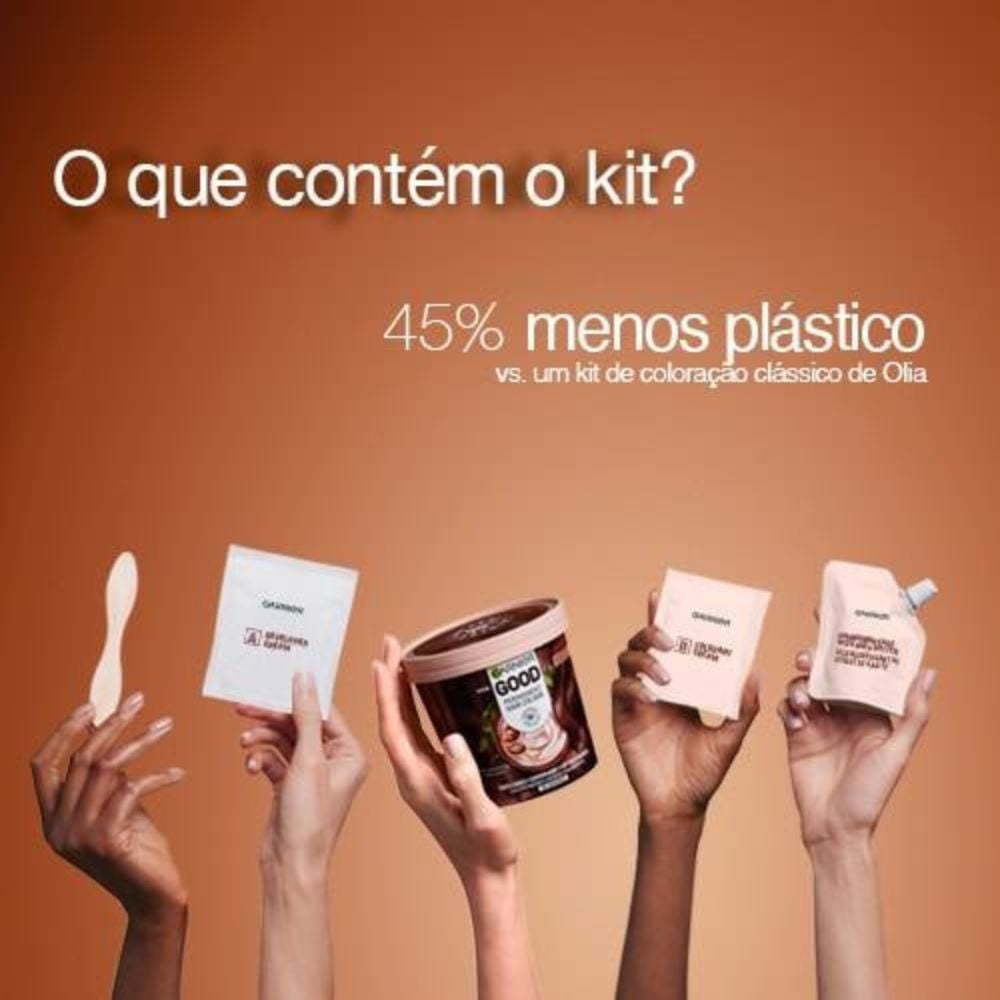
What is the difference between hair dyes with ammonia and without ammonia?
Hair dyes with ammonia typically provide longer-lasting and more vibrant color results, as ammonia helps to open the hair cuticle and allows the dye to penetrate deeply into the hair shaft. However, ammonia can also cause damage to the hair and scalp, leading to dryness and irritation. On the other hand, hair dyes without ammonia are gentler on the hair and scalp, making them a better option for individuals with sensitive skin or those looking to minimize damage to their hair. However, the color results may not be as long-lasting or intense as those achieved with ammonia-based dyes. **
Is ammonia polyprotic or monoprotic?
Ammonia is a monoprotic base, meaning it can donate only one proton (H+) in a chemical reaction. This is because ammonia has only one nitrogen atom that can accept a proton to form the ammonium ion (NH4+). Therefore, ammonia is considered monoprotic. **
Top-Angebote
Products related to Ammonia:
-
Ion Ammonia-Free Powder Lightener 1lb 1 lbIon Ammonia-Free Powder Lightener is infused with Gardenia Flower Extract, Coconut, Chia Seed and Sunflower Oils. The conditioning, dust-free formula is suitable for all application techniques both on and off the scalp.26,99 $*Shipping: 0,00 $Secure redirect to the provider
-
Nourish Books Rose Elliot Complete Vegan Cookbook – Plant-Based Diet Recipes & Health Benefits Guide Healthy Vegan Cooking & Nutrition BookRose Elliot's Complete Vegan Description The ultimate bible of plant-based eating; by renowned vegan cook Rose Elliot. With an increasing awareness of the ethical; environmental and health benefits of following a plant-based diet; the vegan movement is now stronger than ever. Rose Elliot has been at the forefront of meat-free foodwriting for over 35 years; and here offers readers a masterclass in vegan cookery. The book includes more than 150 recipes; from basics such as nut milks; butters; cheeses and creams; to recipes for breakfasts; light bites and lunches; labour-light midweek mains; spectacular dishes for entertaining; delicious desserts and tempting baked goods. The recipes range from comforting dishes like Macaroni Cheese to more exotic fare; such as a fragrant Aubergine Pilaff Cake. Proving that following a vegan diet doesn't mean missing out on your favourite foods; the book also shows how to whip up a creamy mayo; classic Yorkshire pudding or wonderfully crisp meringue at home; all without using any animal products. Packed with beautiful photography; and mouthwatering recipes; Rose Elliot's Complete Vegan is the ultimate resource for any vegan cook no matter their level of experience or expertise.5,88 £*Shipping: 2,99 £Secure redirect to the provider
-
What is ammonia-based detergent washing?
Ammonia-based detergent washing is a cleaning method that involves using detergents containing ammonia as the active ingredient. Ammonia is a powerful cleaning agent that helps to break down grease, grime, and dirt on various surfaces. This type of detergent is commonly used for cleaning glass, windows, and other hard surfaces due to its ability to cut through tough stains and leave surfaces sparkling clean. However, it is important to use caution when using ammonia-based detergents as they can be harsh and may cause irritation if not used properly. **
-
What is the difference between ammonia and ammonia solution?
Ammonia is a compound with the chemical formula NH3, consisting of one nitrogen atom and three hydrogen atoms. It is a colorless gas with a pungent odor. On the other hand, ammonia solution, also known as ammonium hydroxide, is a solution of ammonia gas in water. It is commonly used as a cleaning agent and in various industrial processes. The main difference between the two is that ammonia is a gas, while ammonia solution is a liquid solution of ammonia in water. **
-
Does ammonia burn?
Yes, ammonia can burn. When ammonia is exposed to a flame or high heat, it can ignite and burn, producing nitrogen dioxide and water vapor. However, ammonia is not easily ignited and requires a high temperature to start burning. It is important to handle ammonia with caution and follow proper safety procedures to prevent accidents. **
-
Is ammonia a salt?
No, ammonia is not a salt. Ammonia is a compound made up of nitrogen and hydrogen atoms, with the chemical formula NH3. It is a colorless gas with a characteristic pungent odor. On the other hand, salts are ionic compounds made up of positively and negatively charged ions, such as sodium chloride (table salt) or potassium nitrate. **
Similar search terms for Ammonia
-
How is ammonia produced?
Ammonia is produced through the Haber-Bosch process, which involves combining nitrogen and hydrogen gases under high pressure and temperature in the presence of a catalyst, typically iron. The nitrogen is usually obtained from the air through a process called air separation, while the hydrogen is typically obtained from natural gas through a process called steam reforming. The reaction between nitrogen and hydrogen produces ammonia, which can then be further processed and purified for various industrial uses, such as fertilizer production. **
-
Does ammonia kill lice?
Yes, ammonia can kill lice. Ammonia is a strong alkaline compound that can be effective in killing lice and their eggs. However, it is important to use caution when using ammonia on the scalp as it can be irritating to the skin and eyes. It is recommended to consult with a healthcare professional before using ammonia or any other chemical treatment for lice. **
-
What is the difference between hair dyes with ammonia and without ammonia?
Hair dyes with ammonia typically provide longer-lasting and more vibrant color results, as ammonia helps to open the hair cuticle and allows the dye to penetrate deeply into the hair shaft. However, ammonia can also cause damage to the hair and scalp, leading to dryness and irritation. On the other hand, hair dyes without ammonia are gentler on the hair and scalp, making them a better option for individuals with sensitive skin or those looking to minimize damage to their hair. However, the color results may not be as long-lasting or intense as those achieved with ammonia-based dyes. **
-
Is ammonia polyprotic or monoprotic?
Ammonia is a monoprotic base, meaning it can donate only one proton (H+) in a chemical reaction. This is because ammonia has only one nitrogen atom that can accept a proton to form the ammonium ion (NH4+). Therefore, ammonia is considered monoprotic. **
* All prices are inclusive of VAT and, if applicable, plus shipping costs. The offer information is based on the details provided by the respective shop and is updated through automated processes. Real-time updates do not occur, so deviations can occur in individual cases. ** Note: Parts of this content were created by AI.