Buy chiaseed.com ?
We are moving the project
chiaseed.com .
Are you interested in purchasing the domain
chiaseed.com ?
domain@kv-gmbh.de · 0541-91531010
Buy chiaseed.com ?
How do I plant a houseplant in a decorative pot?
To plant a houseplant in a decorative pot, start by choosing a pot that is slightly larger than the current pot of the plant. Make sure the decorative pot has drainage holes at the bottom to prevent waterlogging. Then, add a layer of small rocks or pebbles at the bottom of the pot to improve drainage. Next, fill the pot with fresh potting soil and create a hole in the center for the plant. Gently remove the plant from its current pot, loosen the roots, and place it in the new pot. Add more soil around the plant, pressing it down gently to secure the plant in place. Finally, water the plant thoroughly and place it in a suitable location with proper sunlight and temperature. **
Which option is better: textured wallpaper or textured paint?
The choice between textured wallpaper and textured paint ultimately depends on personal preference and the specific needs of the space. Textured wallpaper can add depth and dimension to a room, but it may be more difficult to install and remove compared to textured paint. Textured paint, on the other hand, is easier to apply and can be customized to achieve different textures and effects. Consider factors such as maintenance, cost, and desired aesthetic when deciding between the two options. **
Similar search terms for Storied-Home-Textured-Decorative
Top-Angebote
Products related to Storied-Home-Textured-Decorative:
-
Storied Home Round Decorative Wood TrayThe perfect size for displaying your favorite small indoor plants or candle displays, this decorative wood tray is sure not to disappoint. With a unique whitewash effect, it is sure to set itself apart from a normal tray.71,81 $*Shipping: 0,00 $Secure redirect to the provider
-
Storied Home Textured Stoneware Pitcher in Reactive GlazeThese collections of serving pieces are a must-have for every kitchen for those who love to cook and serve delicious food. They can find the ideal dishes for every table in classic vibrant colors, or modern patterns.30,25 $*Shipping: 0,00 $Secure redirect to the provider


-
How can one apply textured plaster on a plastic-based bucket or textured plaster on a mineral-based sack on the wall?
To apply textured plaster on a plastic-based bucket or a mineral-based sack on the wall, you will first need to prepare the surface by cleaning it thoroughly and ensuring it is free of any dust or debris. Next, apply a bonding agent or primer specifically designed for the surface material to help the plaster adhere better. Once the surface is prepped, you can apply the textured plaster using a trowel or spatula, building up layers as needed to achieve the desired texture. Allow the plaster to dry completely before finishing with a sealer or paint, if desired. **
-
How can you apply textured plaster on a textured wallpaper?
To apply textured plaster on a textured wallpaper, you will first need to prepare the wallpaper by cleaning it thoroughly and allowing it to dry completely. Then, apply a primer to the wallpaper to create a smooth surface for the textured plaster to adhere to. Once the primer is dry, you can apply the textured plaster using a trowel or a putty knife, working in small sections to ensure even coverage. After the plaster has been applied, you can use a textured roller or a brush to create the desired texture. Allow the plaster to dry completely before applying any paint or sealant. **
-
Which option do you prefer, textured plaster or textured wallpaper?
I prefer textured plaster over textured wallpaper. Textured plaster provides a more authentic and natural look, as it is applied directly to the wall and can be customized to suit the specific design aesthetic. Additionally, textured plaster is more durable and long-lasting compared to textured wallpaper, which can peel or tear over time. Overall, I find textured plaster to be a more versatile and visually appealing option for adding texture to a space. **
-
How are decorative items stored?
Decorative items are typically stored in various ways depending on their size, fragility, and material. Smaller decorative items such as figurines or vases are often stored in cabinets, shelves, or display cases to keep them safe and organized. Larger decorative items like sculptures or artwork may be stored in dedicated storage areas such as a closet or attic, or they may be displayed in a prominent location within a room. Fragile decorative items like glassware or ceramics are usually wrapped in protective materials such as bubble wrap or tissue paper before being stored to prevent damage. **


Which decorative plaster is this?
This is Venetian plaster, a type of decorative plaster that originated in Italy. It is known for its smooth, glossy finish that resembles polished marble. Venetian plaster is made from slaked lime and marble dust, giving it a luxurious and elegant appearance. It is often used to create a sophisticated and timeless look in interior design. **
Can decorative swords be sharpened?
Yes, decorative swords can be sharpened. However, it is important to consider the purpose of the sword and the materials it is made of before sharpening it. Some decorative swords are not designed for practical use and may not hold an edge well, while others are made of high-quality materials and can be sharpened for functional use. It is best to consult with a professional or someone experienced in sword maintenance before attempting to sharpen a decorative sword. **
Top-Angebote
Products related to Storied-Home-Textured-Decorative:
-
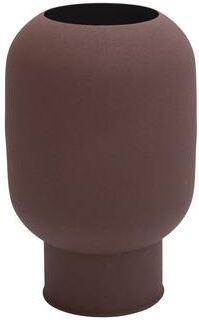
Storied Home Textured Decorative Metal Flower VaseThis round textured metal vase is a beautiful and versatile addition to any home decor. The textured metal gives the vase a unique and eye-catching look, while the matte sienna color makes it a perfect match for modern or traditional settings.26,06 $*Shipping: 0,00 $Secure redirect to the provider
-
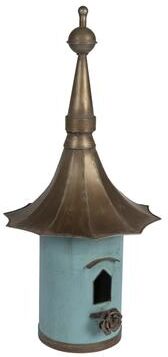
Storied Home Decorative Metal BirdhouseAdd the Cottagecore Free‑Standing Decorative Metal Birdhouse to any home or garden for whimsical charm and rustic elegance. This eclectic free‑standing birdhouse features a playful silhouette and distressed finish, creating a cozy cottagecore...72,24 $*Shipping: 0,00 $Secure redirect to the provider
-
How do I plant a houseplant in a decorative pot?
To plant a houseplant in a decorative pot, start by choosing a pot that is slightly larger than the current pot of the plant. Make sure the decorative pot has drainage holes at the bottom to prevent waterlogging. Then, add a layer of small rocks or pebbles at the bottom of the pot to improve drainage. Next, fill the pot with fresh potting soil and create a hole in the center for the plant. Gently remove the plant from its current pot, loosen the roots, and place it in the new pot. Add more soil around the plant, pressing it down gently to secure the plant in place. Finally, water the plant thoroughly and place it in a suitable location with proper sunlight and temperature. **
-
Which option is better: textured wallpaper or textured paint?
The choice between textured wallpaper and textured paint ultimately depends on personal preference and the specific needs of the space. Textured wallpaper can add depth and dimension to a room, but it may be more difficult to install and remove compared to textured paint. Textured paint, on the other hand, is easier to apply and can be customized to achieve different textures and effects. Consider factors such as maintenance, cost, and desired aesthetic when deciding between the two options. **
-
How can one apply textured plaster on a plastic-based bucket or textured plaster on a mineral-based sack on the wall?
To apply textured plaster on a plastic-based bucket or a mineral-based sack on the wall, you will first need to prepare the surface by cleaning it thoroughly and ensuring it is free of any dust or debris. Next, apply a bonding agent or primer specifically designed for the surface material to help the plaster adhere better. Once the surface is prepped, you can apply the textured plaster using a trowel or spatula, building up layers as needed to achieve the desired texture. Allow the plaster to dry completely before finishing with a sealer or paint, if desired. **
-
How can you apply textured plaster on a textured wallpaper?
To apply textured plaster on a textured wallpaper, you will first need to prepare the wallpaper by cleaning it thoroughly and allowing it to dry completely. Then, apply a primer to the wallpaper to create a smooth surface for the textured plaster to adhere to. Once the primer is dry, you can apply the textured plaster using a trowel or a putty knife, working in small sections to ensure even coverage. After the plaster has been applied, you can use a textured roller or a brush to create the desired texture. Allow the plaster to dry completely before applying any paint or sealant. **
Similar search terms for Storied-Home-Textured-Decorative
-
Storied Home Round Decorative Wood TrayThe perfect size for displaying your favorite small indoor plants or candle displays, this decorative wood tray is sure not to disappoint. With a unique whitewash effect, it is sure to set itself apart from a normal tray.71,81 $*Shipping: 0,00 $Secure redirect to the provider
-
Storied Home Textured Stoneware Pitcher in Reactive GlazeThese collections of serving pieces are a must-have for every kitchen for those who love to cook and serve delicious food. They can find the ideal dishes for every table in classic vibrant colors, or modern patterns.30,25 $*Shipping: 0,00 $Secure redirect to the provider
-
Which option do you prefer, textured plaster or textured wallpaper?
I prefer textured plaster over textured wallpaper. Textured plaster provides a more authentic and natural look, as it is applied directly to the wall and can be customized to suit the specific design aesthetic. Additionally, textured plaster is more durable and long-lasting compared to textured wallpaper, which can peel or tear over time. Overall, I find textured plaster to be a more versatile and visually appealing option for adding texture to a space. **
-
How are decorative items stored?
Decorative items are typically stored in various ways depending on their size, fragility, and material. Smaller decorative items such as figurines or vases are often stored in cabinets, shelves, or display cases to keep them safe and organized. Larger decorative items like sculptures or artwork may be stored in dedicated storage areas such as a closet or attic, or they may be displayed in a prominent location within a room. Fragile decorative items like glassware or ceramics are usually wrapped in protective materials such as bubble wrap or tissue paper before being stored to prevent damage. **
-
Which decorative plaster is this?
This is Venetian plaster, a type of decorative plaster that originated in Italy. It is known for its smooth, glossy finish that resembles polished marble. Venetian plaster is made from slaked lime and marble dust, giving it a luxurious and elegant appearance. It is often used to create a sophisticated and timeless look in interior design. **
-
Can decorative swords be sharpened?
Yes, decorative swords can be sharpened. However, it is important to consider the purpose of the sword and the materials it is made of before sharpening it. Some decorative swords are not designed for practical use and may not hold an edge well, while others are made of high-quality materials and can be sharpened for functional use. It is best to consult with a professional or someone experienced in sword maintenance before attempting to sharpen a decorative sword. **
* All prices are inclusive of VAT and, if applicable, plus shipping costs. The offer information is based on the details provided by the respective shop and is updated through automated processes. Real-time updates do not occur, so deviations can occur in individual cases. ** Note: Parts of this content were created by AI.