Buy chiaseed.com ?
We are moving the project
chiaseed.com .
Are you interested in purchasing the domain
chiaseed.com ?
domain@kv-gmbh.de · 0541-91531010
Buy chiaseed.com ?
Which stone floats on water?
Pumice is a type of stone that floats on water. **
Why does a stone cool down faster than water, based on physics?
A stone cools down faster than water because it has a lower specific heat capacity. Specific heat capacity is the amount of heat energy required to raise the temperature of a substance by a certain amount. Since the specific heat capacity of water is higher than that of stone, it can hold more heat energy and takes longer to cool down. Additionally, water has a higher thermal conductivity, meaning it can transfer heat more efficiently than stone, which also contributes to its slower cooling rate. **
Similar search terms for Seabrook-Designs-Water-Stone
Top-Angebote
Products related to Seabrook-Designs-Water-Stone:
-
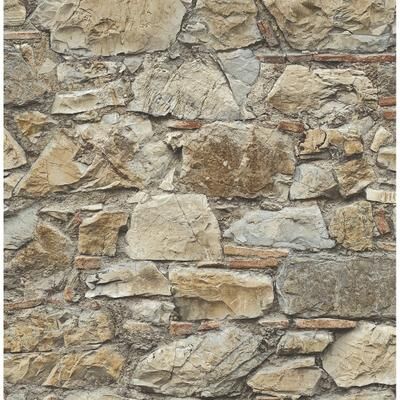
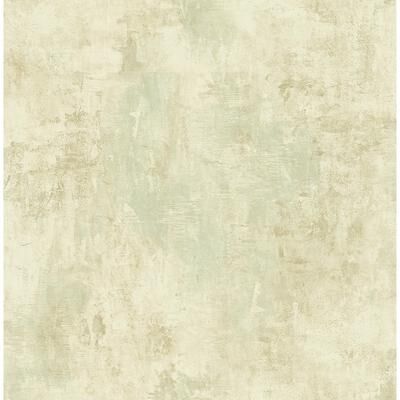
Seabrook Designs Faux Stone Wall Pre-Pasted Wallpaper - 20.5 in. W x 33 ft. LRecreate the look of rough-cut field stone and weathered mortar with this Faux Stone Wall pre-pasted wallpaper pattern by Seabrook Designs. The rustic detailing enhances the print's blend of neutral tones and natural charm.59,95 $*Shipping: 0,00 $Secure redirect to the provider
-
What happens to lava stone in brackish water?
Lava stone is a type of volcanic rock that is porous and can absorb water. When placed in brackish water, the salt content can cause the lava stone to deteriorate over time. The salt can break down the structure of the stone, leading to erosion and weakening of the material. Additionally, the salt can also cause discoloration and mineral deposits to form on the surface of the lava stone. **
-
"Is the stone Tiger's Eye allowed in water?"
Tiger's Eye is generally safe to be submerged in water, as it is a type of quartz and is not water soluble. However, prolonged exposure to water may cause the stone to lose its polish and shine over time. It is always best to check with the specific seller or manufacturer of the Tiger's Eye to ensure that it is safe to be submerged in water, as some stones may have treatments or coatings that could be affected by water. **
-
How does stone lose its effect through water?
Stone can lose its effect through water due to erosion. Over time, water can wear away at the surface of the stone, causing it to lose its original shape and texture. Additionally, water can also dissolve certain types of stone, such as limestone, through a process called chemical weathering. This can result in the stone losing its structural integrity and overall effectiveness. Finally, water can also cause discoloration and staining on the surface of the stone, diminishing its aesthetic appeal and functional properties. **
-
How fast does a stone sink in water?
The speed at which a stone sinks in water depends on its density and size. Generally, smaller and denser stones will sink faster than larger and less dense ones. However, the exact speed can vary based on the specific characteristics of the stone and the water conditions. In general, a stone will sink relatively quickly in water due to its higher density compared to the surrounding water. **
How was the water in the Stone Age?
During the Stone Age, water sources were typically natural and untreated, coming from rivers, lakes, and streams. The water quality would have varied depending on the location and surrounding environment. Without modern filtration and purification methods, the water was likely contaminated with bacteria, parasites, and other pollutants, making it potentially unsafe to drink without boiling or other treatment methods. Access to clean water would have been crucial for survival and would have influenced settlement patterns and daily activities. **
Who designs labels?
Labels are typically designed by graphic designers or packaging designers. These professionals are skilled in creating visually appealing and informative designs that effectively communicate the brand and product information. They consider factors such as branding, legal requirements, and consumer appeal when designing labels for products. Additionally, some companies may have in-house design teams or outsource the label design to specialized design agencies. **
Top-Angebote
Products related to Seabrook-Designs-Water-Stone:
-
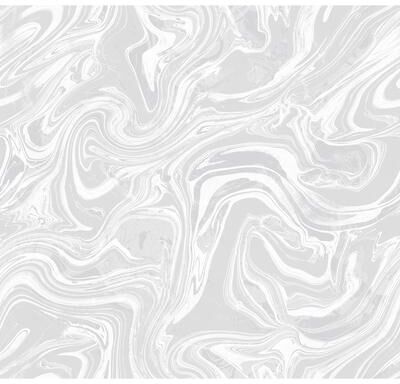
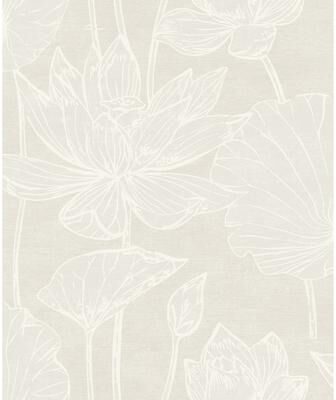
Seabrook Designs Oil and Water Unpasted WallpaperChic metallic and matte inks swirl together to mimic the reaction between oil and water. Boasting a sophisticated color palette, this wallpaper pattern will bring a touch of refined elegance to your home.145,53 $*Shipping: 0,00 $Secure redirect to the provider
-
Seabrook Designs Faux Stone Wall Pre-Pasted Wallpaper - 20.5 in. W x 33 ft. LRecreate the look of rough-cut field stone and weathered mortar with this Faux Stone Wall pre-pasted wallpaper pattern by Seabrook Designs. The rustic detailing enhances the print's blend of neutral tones and natural charm.59,95 $*Shipping: 0,00 $Secure redirect to the provider
-
Which stone floats on water?
Pumice is a type of stone that floats on water. **
-
Why does a stone cool down faster than water, based on physics?
A stone cools down faster than water because it has a lower specific heat capacity. Specific heat capacity is the amount of heat energy required to raise the temperature of a substance by a certain amount. Since the specific heat capacity of water is higher than that of stone, it can hold more heat energy and takes longer to cool down. Additionally, water has a higher thermal conductivity, meaning it can transfer heat more efficiently than stone, which also contributes to its slower cooling rate. **
-
What happens to lava stone in brackish water?
Lava stone is a type of volcanic rock that is porous and can absorb water. When placed in brackish water, the salt content can cause the lava stone to deteriorate over time. The salt can break down the structure of the stone, leading to erosion and weakening of the material. Additionally, the salt can also cause discoloration and mineral deposits to form on the surface of the lava stone. **
-
"Is the stone Tiger's Eye allowed in water?"
Tiger's Eye is generally safe to be submerged in water, as it is a type of quartz and is not water soluble. However, prolonged exposure to water may cause the stone to lose its polish and shine over time. It is always best to check with the specific seller or manufacturer of the Tiger's Eye to ensure that it is safe to be submerged in water, as some stones may have treatments or coatings that could be affected by water. **
Similar search terms for Seabrook-Designs-Water-Stone
-
How does stone lose its effect through water?
Stone can lose its effect through water due to erosion. Over time, water can wear away at the surface of the stone, causing it to lose its original shape and texture. Additionally, water can also dissolve certain types of stone, such as limestone, through a process called chemical weathering. This can result in the stone losing its structural integrity and overall effectiveness. Finally, water can also cause discoloration and staining on the surface of the stone, diminishing its aesthetic appeal and functional properties. **
-
How fast does a stone sink in water?
The speed at which a stone sinks in water depends on its density and size. Generally, smaller and denser stones will sink faster than larger and less dense ones. However, the exact speed can vary based on the specific characteristics of the stone and the water conditions. In general, a stone will sink relatively quickly in water due to its higher density compared to the surrounding water. **
-
How was the water in the Stone Age?
During the Stone Age, water sources were typically natural and untreated, coming from rivers, lakes, and streams. The water quality would have varied depending on the location and surrounding environment. Without modern filtration and purification methods, the water was likely contaminated with bacteria, parasites, and other pollutants, making it potentially unsafe to drink without boiling or other treatment methods. Access to clean water would have been crucial for survival and would have influenced settlement patterns and daily activities. **
-
Who designs labels?
Labels are typically designed by graphic designers or packaging designers. These professionals are skilled in creating visually appealing and informative designs that effectively communicate the brand and product information. They consider factors such as branding, legal requirements, and consumer appeal when designing labels for products. Additionally, some companies may have in-house design teams or outsource the label design to specialized design agencies. **
* All prices are inclusive of VAT and, if applicable, plus shipping costs. The offer information is based on the details provided by the respective shop and is updated through automated processes. Real-time updates do not occur, so deviations can occur in individual cases. ** Note: Parts of this content were created by AI.