Buy chiaseed.com ?
We are moving the project
chiaseed.com .
Are you interested in purchasing the domain
chiaseed.com ?
domain@kv-gmbh.de · 0541-91531010
Buy chiaseed.com ?
Which stone mineral?
The stone mineral is quartz. Quartz is a hard, crystalline mineral composed of silicon and oxygen atoms. It is one of the most abundant minerals in the Earth's crust and comes in a variety of colors and forms, including clear, white, pink, and purple. Quartz is used in a wide range of applications, from jewelry and decorative items to electronics and industrial uses. **
What is the difference between mineral oils and plant oils?
Mineral oils are derived from petroleum sources, while plant oils are extracted from various parts of plants such as seeds, fruits, or nuts. Plant oils are natural and often contain beneficial nutrients and antioxidants, while mineral oils are synthetic and do not offer the same nutritional benefits. Plant oils are commonly used in cooking, skincare, and aromatherapy, while mineral oils are often found in industrial applications such as lubricants and cosmetics. **

Similar search terms for Mineral
Top-Angebote
Products related to Mineral:


-
Should one use mineral wool or plant granules for hydroponics?
Both mineral wool and plant granules can be used for hydroponics, but the choice depends on the specific needs of the plants being grown. Mineral wool is a popular choice as it provides good water retention and aeration for the roots. On the other hand, plant granules, such as expanded clay pellets, are lightweight and provide good drainage. Ultimately, it is recommended to consider the specific requirements of the plants being grown and choose the growing medium that best suits those needs. **
-
Why is mineral fertilizer often used in modern agriculture instead of organic fertilizer?
Mineral fertilizers are often used in modern agriculture instead of organic fertilizers because they provide a quick and easily accessible source of essential nutrients for plants. They are also more concentrated and can be applied in precise amounts to meet the specific needs of crops. Additionally, mineral fertilizers are more cost-effective and have a longer shelf life compared to organic fertilizers. Lastly, mineral fertilizers can be manufactured to have specific nutrient ratios, making them a versatile option for different types of crops and soil conditions. **
-
Can my rabbits hop or graze on grass treated with organic-mineral fertilizer?
Yes, your rabbits can hop and graze on grass treated with organic-mineral fertilizer. Organic-mineral fertilizers are made from natural sources and are safe for animals to consume. However, it's important to ensure that the grass has been given enough time to absorb the fertilizer and that there are no harmful chemicals present. Always monitor your rabbits while they are grazing to ensure they are not consuming anything harmful. **
-
Why can a mineral fertilizer be dosed more accurately than an organic fertilizer?
Mineral fertilizers can be dosed more accurately than organic fertilizers because they have a consistent and predictable nutrient content. This allows for precise measurement and application, ensuring that the plants receive the exact amount of nutrients they need. On the other hand, organic fertilizers can vary in nutrient content and release rate, making it more challenging to accurately dose them. Additionally, mineral fertilizers are often available in a more refined and soluble form, making it easier to control the amount applied to the plants. **


What is the chemical difference between mineral oil and plant oil?
Mineral oil is a byproduct of petroleum refining and is composed of hydrocarbons, while plant oil is derived from plants and is composed of triglycerides. The main difference between the two is their chemical composition - mineral oil is a mixture of saturated hydrocarbons, while plant oil contains a variety of fatty acids. Plant oils also contain vitamins, antioxidants, and other beneficial compounds that are not present in mineral oil. **
How do I pour mineral water over a banana plant (Musa)?
To pour mineral water over a banana plant (Musa), simply water the plant as you normally would. Use a watering can or hose to gently pour the mineral water over the soil at the base of the plant, making sure to avoid wetting the leaves. It's important to water the plant thoroughly but not excessively, ensuring that the soil is moist but not waterlogged. Repeat this watering process whenever the top inch of soil feels dry to the touch. **
Top-Angebote
Products related to Mineral:
-
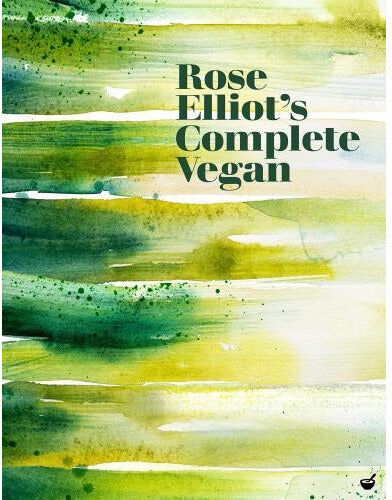
Nourish Books Rose Elliot Complete Vegan Cookbook – Plant-Based Diet Recipes & Health Benefits Guide Healthy Vegan Cooking & Nutrition BookRose Elliot's Complete Vegan Description The ultimate bible of plant-based eating; by renowned vegan cook Rose Elliot. With an increasing awareness of the ethical; environmental and health benefits of following a plant-based diet; the vegan movement is now stronger than ever. Rose Elliot has been at the forefront of meat-free foodwriting for over 35 years; and here offers readers a masterclass in vegan cookery. The book includes more than 150 recipes; from basics such as nut milks; butters; cheeses and creams; to recipes for breakfasts; light bites and lunches; labour-light midweek mains; spectacular dishes for entertaining; delicious desserts and tempting baked goods. The recipes range from comforting dishes like Macaroni Cheese to more exotic fare; such as a fragrant Aubergine Pilaff Cake. Proving that following a vegan diet doesn't mean missing out on your favourite foods; the book also shows how to whip up a creamy mayo; classic Yorkshire pudding or wonderfully crisp meringue at home; all without using any animal products. Packed with beautiful photography; and mouthwatering recipes; Rose Elliot's Complete Vegan is the ultimate resource for any vegan cook no matter their level of experience or expertise.5,88 £*Shipping: 2,99 £Secure redirect to the provider
-
Which stone mineral?
The stone mineral is quartz. Quartz is a hard, crystalline mineral composed of silicon and oxygen atoms. It is one of the most abundant minerals in the Earth's crust and comes in a variety of colors and forms, including clear, white, pink, and purple. Quartz is used in a wide range of applications, from jewelry and decorative items to electronics and industrial uses. **
-
What is the difference between mineral oils and plant oils?
Mineral oils are derived from petroleum sources, while plant oils are extracted from various parts of plants such as seeds, fruits, or nuts. Plant oils are natural and often contain beneficial nutrients and antioxidants, while mineral oils are synthetic and do not offer the same nutritional benefits. Plant oils are commonly used in cooking, skincare, and aromatherapy, while mineral oils are often found in industrial applications such as lubricants and cosmetics. **
-
Should one use mineral wool or plant granules for hydroponics?
Both mineral wool and plant granules can be used for hydroponics, but the choice depends on the specific needs of the plants being grown. Mineral wool is a popular choice as it provides good water retention and aeration for the roots. On the other hand, plant granules, such as expanded clay pellets, are lightweight and provide good drainage. Ultimately, it is recommended to consider the specific requirements of the plants being grown and choose the growing medium that best suits those needs. **
-
Why is mineral fertilizer often used in modern agriculture instead of organic fertilizer?
Mineral fertilizers are often used in modern agriculture instead of organic fertilizers because they provide a quick and easily accessible source of essential nutrients for plants. They are also more concentrated and can be applied in precise amounts to meet the specific needs of crops. Additionally, mineral fertilizers are more cost-effective and have a longer shelf life compared to organic fertilizers. Lastly, mineral fertilizers can be manufactured to have specific nutrient ratios, making them a versatile option for different types of crops and soil conditions. **
Similar search terms for Mineral
-
Can my rabbits hop or graze on grass treated with organic-mineral fertilizer?
Yes, your rabbits can hop and graze on grass treated with organic-mineral fertilizer. Organic-mineral fertilizers are made from natural sources and are safe for animals to consume. However, it's important to ensure that the grass has been given enough time to absorb the fertilizer and that there are no harmful chemicals present. Always monitor your rabbits while they are grazing to ensure they are not consuming anything harmful. **
-
Why can a mineral fertilizer be dosed more accurately than an organic fertilizer?
Mineral fertilizers can be dosed more accurately than organic fertilizers because they have a consistent and predictable nutrient content. This allows for precise measurement and application, ensuring that the plants receive the exact amount of nutrients they need. On the other hand, organic fertilizers can vary in nutrient content and release rate, making it more challenging to accurately dose them. Additionally, mineral fertilizers are often available in a more refined and soluble form, making it easier to control the amount applied to the plants. **
-
What is the chemical difference between mineral oil and plant oil?
Mineral oil is a byproduct of petroleum refining and is composed of hydrocarbons, while plant oil is derived from plants and is composed of triglycerides. The main difference between the two is their chemical composition - mineral oil is a mixture of saturated hydrocarbons, while plant oil contains a variety of fatty acids. Plant oils also contain vitamins, antioxidants, and other beneficial compounds that are not present in mineral oil. **
-
How do I pour mineral water over a banana plant (Musa)?
To pour mineral water over a banana plant (Musa), simply water the plant as you normally would. Use a watering can or hose to gently pour the mineral water over the soil at the base of the plant, making sure to avoid wetting the leaves. It's important to water the plant thoroughly but not excessively, ensuring that the soil is moist but not waterlogged. Repeat this watering process whenever the top inch of soil feels dry to the touch. **
* All prices are inclusive of VAT and, if applicable, plus shipping costs. The offer information is based on the details provided by the respective shop and is updated through automated processes. Real-time updates do not occur, so deviations can occur in individual cases. ** Note: Parts of this content were created by AI.