Buy chiaseed.com ?
We are moving the project
chiaseed.com .
Are you interested in purchasing the domain
chiaseed.com ?
domain@kv-gmbh.de · 0541-91531010
Buy chiaseed.com ?
What are semi-synthetic plastics and synthetic plastics?
Semi-synthetic plastics are materials that are derived from natural polymers, such as cellulose or starch, and then chemically modified to improve their properties. Examples of semi-synthetic plastics include cellulose acetate and rayon. On the other hand, synthetic plastics are entirely man-made materials produced from chemical reactions involving petroleum-based or other synthetic polymers. Examples of synthetic plastics include polyethylene, polypropylene, and polystyrene. Both semi-synthetic and synthetic plastics are widely used in various industries due to their versatility and durability. **
What is the topic of bio-based plastics as 5PK?
Bio-based plastics as 5PK refer to the use of biodegradable and compostable materials in the production of packaging products. These materials are derived from renewable resources such as plants, algae, or bacteria, making them a more sustainable alternative to traditional petroleum-based plastics. The topic encompasses the development, properties, and environmental impact of bio-based plastics in the context of reducing plastic waste and promoting a circular economy. **


Similar search terms for Plastics
Top-Angebote
Products related to Plastics:
-
Premium Stainless Steel Manual Sausage Maker & Stuffer Syringe plasticsTake absolute control over your ingredients and craft masterquality, gourmet sausages right from your kitchen counter. Our premium manual stainless steel sausage maker offers an exceptional, foodsafe solution engineered to fill casing skins smoothly...37,97 $*Shipping: 0,00 $Secure redirect to the provider
-
Solar Outdoor Lights Waterproof Landscape Lighting (10 Pack) plastics white LightTransform your homes curb appeal instantly with this Solar Outdoor Lights Waterproof set. Designed to bring a sophisticated and welcoming glow to your exterior spaces, these lights are the ultimate solution for Pathway, Patio, and Yard Decoration....107,97 $*Shipping: 0,00 $Secure redirect to the provider
-
Wheel Polishing And Waxing Applicator Brush For Car Tires And Plastics blackBring professional detailing to your car at home with this versatile applicator brush set. Designed for polishing wheels, waxing plastics, and cleaning tires and contours, this tool helps you restore a showroom finish without the hassle. Crafted for...34,97 $*Shipping: 0,00 $Secure redirect to the provider


-
How can one classify plastics based on their molecular structure?
Plastics can be classified based on their molecular structure into two main categories: thermoplastics and thermosetting plastics. Thermoplastics are made up of long chains of molecules that can be repeatedly softened and hardened by heating and cooling, making them recyclable. Examples of thermoplastics include polyethylene, polypropylene, and PVC. On the other hand, thermosetting plastics are made up of cross-linked polymers that cannot be re-melted or reshaped once they are set, making them more rigid and heat-resistant. Examples of thermosetting plastics include epoxy, phenolic, and melamine. **
-
What are plastics? What are the differences between thermoplastics and thermosetting plastics?
Plastics are synthetic materials made from polymers, which are long chains of molecules. They are lightweight, durable, and can be molded into various shapes, making them ideal for a wide range of applications. The main difference between thermoplastics and thermosetting plastics lies in their response to heat. Thermoplastics can be melted and reshaped multiple times without undergoing any chemical change, while thermosetting plastics undergo a chemical reaction when heated and cannot be reshaped once they have been set. This means that thermoplastics are recyclable, while thermosetting plastics are not. **
-
How are plastics properly explained?
Plastics are typically explained as synthetic materials made from polymers, which are long chains of molecules. These polymers can be molded and shaped into a wide variety of products, making plastics versatile and useful in many industries. Plastics are further categorized based on their properties, such as thermoplastics and thermosetting plastics, which determine their behavior when exposed to heat. Understanding the composition, properties, and uses of plastics is essential for proper explanation and utilization of these materials in various applications. **
-
What are plastics in chemistry?
Plastics are a group of synthetic materials made from polymers, which are long chains of molecules. These polymers are derived from petrochemicals and can be molded into various shapes and forms. Plastics are versatile materials that are used in a wide range of applications due to their durability, lightweight, and low cost. However, their non-biodegradable nature has led to environmental concerns regarding their disposal and impact on ecosystems. **

How can one represent plastics?
Plastics can be represented in various ways, such as through visual images, physical samples, or data charts. Visual representations can include photographs or illustrations of plastic products, manufacturing processes, or environmental impacts. Physical samples of different types of plastics can be used to demonstrate their properties and applications. Data charts and graphs can also be used to represent information about plastic production, consumption, recycling rates, and environmental effects. Overall, representing plastics effectively involves using a combination of visual, physical, and data-driven methods to convey information about this versatile and widely used material. **
How do you remove plastics?
To remove plastics, you can start by reducing your use of single-use plastics and opting for reusable alternatives. You can also recycle any plastic items that you no longer need by sorting them and placing them in the appropriate recycling bins. Additionally, participating in beach or community clean-up events can help remove plastics from the environment. Finally, supporting policies and initiatives that aim to reduce plastic pollution can also contribute to the removal of plastics from the environment. **
Top-Angebote
Products related to Plastics:
-
Honda Full Body Plastics Fairing Set Replacement Motorcycle Body Kit Honda Full Body Plastics Fairing Set Replacement Motorcycle Body KitBring your dirt bike back to life with a fresh, factorystyle finish that turns heads on every ride. This complete replacement kit is designed for riders who want durability, style, and a perfect fit without compromise. Built as a Honda CRF150F...249,97 $*Shipping: 0,00 $Secure redirect to the provider
-
Nourish Books Rose Elliot Complete Vegan Cookbook – Plant-Based Diet Recipes & Health Benefits Guide Healthy Vegan Cooking & Nutrition BookRose Elliot's Complete Vegan Description The ultimate bible of plant-based eating; by renowned vegan cook Rose Elliot. With an increasing awareness of the ethical; environmental and health benefits of following a plant-based diet; the vegan movement is now stronger than ever. Rose Elliot has been at the forefront of meat-free foodwriting for over 35 years; and here offers readers a masterclass in vegan cookery. The book includes more than 150 recipes; from basics such as nut milks; butters; cheeses and creams; to recipes for breakfasts; light bites and lunches; labour-light midweek mains; spectacular dishes for entertaining; delicious desserts and tempting baked goods. The recipes range from comforting dishes like Macaroni Cheese to more exotic fare; such as a fragrant Aubergine Pilaff Cake. Proving that following a vegan diet doesn't mean missing out on your favourite foods; the book also shows how to whip up a creamy mayo; classic Yorkshire pudding or wonderfully crisp meringue at home; all without using any animal products. Packed with beautiful photography; and mouthwatering recipes; Rose Elliot's Complete Vegan is the ultimate resource for any vegan cook no matter their level of experience or expertise.5,88 £*Shipping: 2,99 £Secure redirect to the provider
-
Premium Stainless Steel Manual Sausage Maker & Stuffer Syringe plasticsTake absolute control over your ingredients and craft masterquality, gourmet sausages right from your kitchen counter. Our premium manual stainless steel sausage maker offers an exceptional, foodsafe solution engineered to fill casing skins smoothly...37,97 $*Shipping: 0,00 $Secure redirect to the provider
-
Solar Outdoor Lights Waterproof Landscape Lighting (10 Pack) plastics white LightTransform your homes curb appeal instantly with this Solar Outdoor Lights Waterproof set. Designed to bring a sophisticated and welcoming glow to your exterior spaces, these lights are the ultimate solution for Pathway, Patio, and Yard Decoration....107,97 $*Shipping: 0,00 $Secure redirect to the provider
-
What are semi-synthetic plastics and synthetic plastics?
Semi-synthetic plastics are materials that are derived from natural polymers, such as cellulose or starch, and then chemically modified to improve their properties. Examples of semi-synthetic plastics include cellulose acetate and rayon. On the other hand, synthetic plastics are entirely man-made materials produced from chemical reactions involving petroleum-based or other synthetic polymers. Examples of synthetic plastics include polyethylene, polypropylene, and polystyrene. Both semi-synthetic and synthetic plastics are widely used in various industries due to their versatility and durability. **
-
What is the topic of bio-based plastics as 5PK?
Bio-based plastics as 5PK refer to the use of biodegradable and compostable materials in the production of packaging products. These materials are derived from renewable resources such as plants, algae, or bacteria, making them a more sustainable alternative to traditional petroleum-based plastics. The topic encompasses the development, properties, and environmental impact of bio-based plastics in the context of reducing plastic waste and promoting a circular economy. **
-
How can one classify plastics based on their molecular structure?
Plastics can be classified based on their molecular structure into two main categories: thermoplastics and thermosetting plastics. Thermoplastics are made up of long chains of molecules that can be repeatedly softened and hardened by heating and cooling, making them recyclable. Examples of thermoplastics include polyethylene, polypropylene, and PVC. On the other hand, thermosetting plastics are made up of cross-linked polymers that cannot be re-melted or reshaped once they are set, making them more rigid and heat-resistant. Examples of thermosetting plastics include epoxy, phenolic, and melamine. **
-
What are plastics? What are the differences between thermoplastics and thermosetting plastics?
Plastics are synthetic materials made from polymers, which are long chains of molecules. They are lightweight, durable, and can be molded into various shapes, making them ideal for a wide range of applications. The main difference between thermoplastics and thermosetting plastics lies in their response to heat. Thermoplastics can be melted and reshaped multiple times without undergoing any chemical change, while thermosetting plastics undergo a chemical reaction when heated and cannot be reshaped once they have been set. This means that thermoplastics are recyclable, while thermosetting plastics are not. **
Similar search terms for Plastics
-
Wheel Polishing And Waxing Applicator Brush For Car Tires And Plastics blackBring professional detailing to your car at home with this versatile applicator brush set. Designed for polishing wheels, waxing plastics, and cleaning tires and contours, this tool helps you restore a showroom finish without the hassle. Crafted for...34,97 $*Shipping: 0,00 $Secure redirect to the provider
-
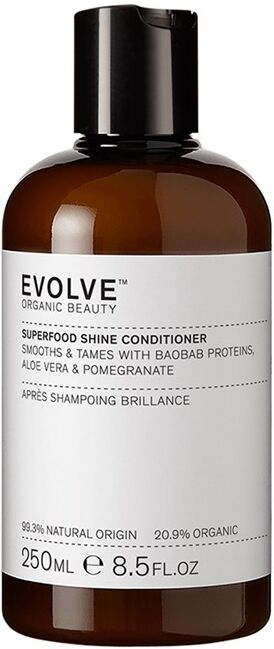
Evolve Beauty Evolve Organic Beauty Superfood Shine Conditioner 250mlRevitalise your hair care routine with the Evolve Organic Beauty Superfood Shine Conditioner 250ml. Specially formulated for normal to dry hair, this luxurious conditioner harnesses the power of natural and organic ingredients to replenish brilliant shine, significantly reduce frizz, and boost irresistible softness. Its lightweight yet deeply nourishing formula ensures your locks remain healthy, smooth, and entirely tangle-free.At the heart of this high-performance conditioner are natural baobab proteins, which have been scientifically shown to strengthen and protect hair while boosting overall smoothness. Complemented by organic pomegranate extract, it works to intensely rehydrate and defend your hair against environmental stressors. Additionally, organic aloe vera gently soothes the scalp, providing a calming and refreshing experience with every wash.Perfect for anyone seeking clean, conscious beauty that delivers professional results, this superfood-infused conditioner leaves hair feeling revitalised, manageable, and radiantly glossy. Elevate your daily routine and unlock the secret to naturally beautiful, frizz-free hair with this essential organic treatment.Key BenefitsReplenishes shine, reduces frizz, and boosts softness for smooth, tangle-free, and healthy hair - Strengthens and protects hair while boosting smoothness using nutrient-rich baobab proteins - Rehydrates the hair and soothes the scalp with organic pomegranate extract and aloe veraIngredients:Aqua (Water), Cetearyl Alcohol, Coco-Caprylate, Distearoylethyl Dimonium Chloride, Gluconolactone, Parfum (Naturally Derived Fragrance), Hydrolyzed Adansonia Digitata (Baobab) Seed Extract, Punica Granatum (Pomegranate) Fruit Extract*, Aloe Barbadensis Leaf Juice Powder*, Helianthus Annuus (Sunflower) Seed Oil, Glycerin**, Polyglyceryl-6 Stearate, Sodium Benzoate, Polyglyceryl-6 Behenate, Tocopherol, Calcium Gluconate, Benzyl Alcohol, Potassium Sorbate, Citric Acid, Citral, Geraniol, Limonene, Linalool16,00 £*Shipping: 2,95 £Secure redirect to the provider
-
Stainless Steel Manual Sausage Stuffer Meat Filler Syringe For Homemade Sausage Making plasticsMake delicious homemade sausages with confidence using this durable manual sausage stuffer. Designed with a stainless steel cylinder and easytouse plunger, it lets you fill sausage casings quickly while giving you better control over portion size...53,00 $*Shipping: 0,00 $Secure redirect to the provider
-
How are plastics properly explained?
Plastics are typically explained as synthetic materials made from polymers, which are long chains of molecules. These polymers can be molded and shaped into a wide variety of products, making plastics versatile and useful in many industries. Plastics are further categorized based on their properties, such as thermoplastics and thermosetting plastics, which determine their behavior when exposed to heat. Understanding the composition, properties, and uses of plastics is essential for proper explanation and utilization of these materials in various applications. **
-
What are plastics in chemistry?
Plastics are a group of synthetic materials made from polymers, which are long chains of molecules. These polymers are derived from petrochemicals and can be molded into various shapes and forms. Plastics are versatile materials that are used in a wide range of applications due to their durability, lightweight, and low cost. However, their non-biodegradable nature has led to environmental concerns regarding their disposal and impact on ecosystems. **
-
How can one represent plastics?
Plastics can be represented in various ways, such as through visual images, physical samples, or data charts. Visual representations can include photographs or illustrations of plastic products, manufacturing processes, or environmental impacts. Physical samples of different types of plastics can be used to demonstrate their properties and applications. Data charts and graphs can also be used to represent information about plastic production, consumption, recycling rates, and environmental effects. Overall, representing plastics effectively involves using a combination of visual, physical, and data-driven methods to convey information about this versatile and widely used material. **
-
How do you remove plastics?
To remove plastics, you can start by reducing your use of single-use plastics and opting for reusable alternatives. You can also recycle any plastic items that you no longer need by sorting them and placing them in the appropriate recycling bins. Additionally, participating in beach or community clean-up events can help remove plastics from the environment. Finally, supporting policies and initiatives that aim to reduce plastic pollution can also contribute to the removal of plastics from the environment. **
* All prices are inclusive of VAT and, if applicable, plus shipping costs. The offer information is based on the details provided by the respective shop and is updated through automated processes. Real-time updates do not occur, so deviations can occur in individual cases. ** Note: Parts of this content were created by AI.