Buy chiaseed.com ?
We are moving the project
chiaseed.com .
Are you interested in purchasing the domain
chiaseed.com ?
domain@kv-gmbh.de · 0541-91531010
Buy chiaseed.com ?
Do timing belts fit into the teeth of gear models?
Yes, timing belts are designed to fit into the teeth of gear models. The teeth on the gear mesh with the teeth on the timing belt, allowing for the transfer of power and motion between the gears and the belt. This design ensures that the timing belt stays in place and maintains the proper timing and synchronization of the components it is connecting. **
What is a gear ratio, I ask the automotive specialist.
A gear ratio is a comparison of the number of teeth on two interlocking gears. It is used to determine the relationship between the rotational speeds of the two gears. In the context of automotive engineering, gear ratios are crucial for determining the speed and torque characteristics of a vehicle. By adjusting the gear ratios, automotive specialists can optimize the performance and efficiency of a vehicle's transmission system. **


Similar search terms for Automotive-Timing-Gear-Retainer
Top-Angebote
Products related to Automotive-Timing-Gear-Retainer:

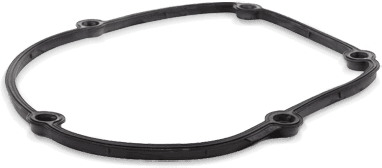


-
What is a removable retainer (loose retainer)?
A removable retainer, also known as a loose retainer, is a dental appliance that is custom-made to fit the shape of the patient's mouth and teeth. It is typically made of plastic or a combination of plastic and metal wires. The purpose of a removable retainer is to maintain the position of the teeth after orthodontic treatment, such as braces, and prevent them from shifting back to their original position. Patients can take the retainer out for eating, brushing, and flossing, but it should be worn as directed by their orthodontist to ensure the best results. **
-
Which retainer?
The term "retainer" can refer to different things depending on the context. It could be a fee paid in advance to secure the services of a professional, such as a lawyer or consultant. It could also refer to a dental device used to maintain the position of teeth after orthodontic treatment. To provide a more specific answer, please provide additional information or clarify the context in which you are referring to a retainer. **
-
Which cars have timing belts or timing chains?
Most modern cars have timing chains, which are more durable and require less maintenance than timing belts. However, some older or high-performance vehicles may still have timing belts. It is important to check your vehicle's manual or consult with a mechanic to determine whether your car has a timing belt or timing chain, as the replacement intervals and maintenance requirements differ between the two. **
-
What is better, a removable retainer or a fixed retainer?
Both removable and fixed retainers have their own advantages. Removable retainers are convenient for cleaning and allow for easier maintenance of oral hygiene. On the other hand, fixed retainers are more discreet and ensure that teeth stay in their proper position consistently. The choice between the two ultimately depends on individual preferences and the recommendation of the orthodontist. **


Does Audi have a timing belt or timing chain?
Audi typically uses timing chains in their engines rather than timing belts. Timing chains are more durable and longer-lasting than timing belts, which need to be replaced at regular intervals. This means Audi owners do not have to worry about replacing the timing chain as often as they would a timing belt. **
Timing chain or timing belt in the Toyota Yaris?
The Toyota Yaris typically comes equipped with a timing chain rather than a timing belt. Timing chains are known for their durability and longevity compared to timing belts, which need to be replaced at regular intervals. This means that Yaris owners do not have to worry about the timing chain breaking or needing frequent maintenance like they would with a timing belt. Overall, the timing chain in the Toyota Yaris provides a more reliable and low-maintenance option for drivers. **
Top-Angebote
Products related to Automotive-Timing-Gear-Retainer:
-
Do timing belts fit into the teeth of gear models?
Yes, timing belts are designed to fit into the teeth of gear models. The teeth on the gear mesh with the teeth on the timing belt, allowing for the transfer of power and motion between the gears and the belt. This design ensures that the timing belt stays in place and maintains the proper timing and synchronization of the components it is connecting. **
-
What is a gear ratio, I ask the automotive specialist.
A gear ratio is a comparison of the number of teeth on two interlocking gears. It is used to determine the relationship between the rotational speeds of the two gears. In the context of automotive engineering, gear ratios are crucial for determining the speed and torque characteristics of a vehicle. By adjusting the gear ratios, automotive specialists can optimize the performance and efficiency of a vehicle's transmission system. **
-
What is a removable retainer (loose retainer)?
A removable retainer, also known as a loose retainer, is a dental appliance that is custom-made to fit the shape of the patient's mouth and teeth. It is typically made of plastic or a combination of plastic and metal wires. The purpose of a removable retainer is to maintain the position of the teeth after orthodontic treatment, such as braces, and prevent them from shifting back to their original position. Patients can take the retainer out for eating, brushing, and flossing, but it should be worn as directed by their orthodontist to ensure the best results. **
-
Which retainer?
The term "retainer" can refer to different things depending on the context. It could be a fee paid in advance to secure the services of a professional, such as a lawyer or consultant. It could also refer to a dental device used to maintain the position of teeth after orthodontic treatment. To provide a more specific answer, please provide additional information or clarify the context in which you are referring to a retainer. **
Similar search terms for Automotive-Timing-Gear-Retainer
-
Which cars have timing belts or timing chains?
Most modern cars have timing chains, which are more durable and require less maintenance than timing belts. However, some older or high-performance vehicles may still have timing belts. It is important to check your vehicle's manual or consult with a mechanic to determine whether your car has a timing belt or timing chain, as the replacement intervals and maintenance requirements differ between the two. **
-
What is better, a removable retainer or a fixed retainer?
Both removable and fixed retainers have their own advantages. Removable retainers are convenient for cleaning and allow for easier maintenance of oral hygiene. On the other hand, fixed retainers are more discreet and ensure that teeth stay in their proper position consistently. The choice between the two ultimately depends on individual preferences and the recommendation of the orthodontist. **
-
Does Audi have a timing belt or timing chain?
Audi typically uses timing chains in their engines rather than timing belts. Timing chains are more durable and longer-lasting than timing belts, which need to be replaced at regular intervals. This means Audi owners do not have to worry about replacing the timing chain as often as they would a timing belt. **
-
Timing chain or timing belt in the Toyota Yaris?
The Toyota Yaris typically comes equipped with a timing chain rather than a timing belt. Timing chains are known for their durability and longevity compared to timing belts, which need to be replaced at regular intervals. This means that Yaris owners do not have to worry about the timing chain breaking or needing frequent maintenance like they would with a timing belt. Overall, the timing chain in the Toyota Yaris provides a more reliable and low-maintenance option for drivers. **
* All prices are inclusive of VAT and, if applicable, plus shipping costs. The offer information is based on the details provided by the respective shop and is updated through automated processes. Real-time updates do not occur, so deviations can occur in individual cases. ** Note: Parts of this content were created by AI.